The cannabis landscape has undergone a significant transformation in recent years, with CBD and hemp products gaining widespread popularity. As these industries continue to evolve, it’s crucial to stay informed about the ever-changing regulatory landscape. This blog post will look to explain the current status of CBD and hemp regulations, exploring how companies like SunstoneCBD are adapting to these changes while maintaining the highest standards of quality and compliance.
The Evolving Regulatory Landscape
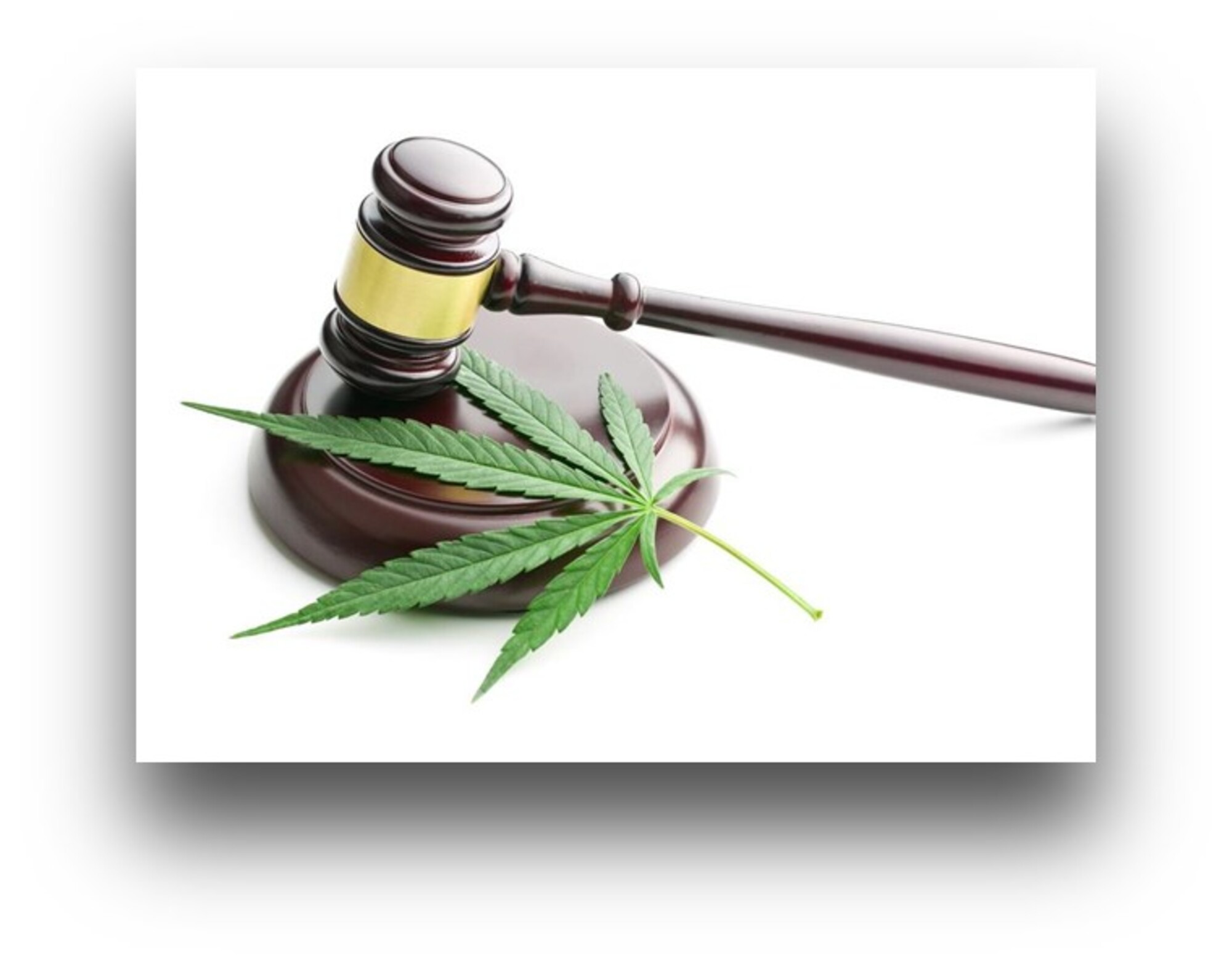
The passage of the 2018 Farm Bill legalized the production of hemp, a plant closely related to marijuana, for industrial purposes. While this legislation marked a significant step forward, the regulatory landscape for CBD products remains complex.
- Federal Regulations: At the federal level, the Food and Drug Administration (FDA) maintains jurisdiction over CBD-derived products. While the FDA has not yet issued final regulations for CBD, it has taken steps to clarify its stance. For example, the agency has warned against the marketing of CBD-containing products as dietary supplements or food ingredients.
- State Regulations: The regulatory landscape for CBD varies significantly from state to state. Some states have enacted comprehensive laws governing the production, sale, and use of CBD products, while others have taken a more hands-off approach. It’s essential for businesses operating in the CBD industry to understand the specific regulations in each state where they do business.
SunstoneCBD’s Commitment to Compliance
SunstoneCBD is dedicated to adhering to all federal and state regulations governing CBD products. The company maintains a rigorous compliance program to ensure that its products meet the highest standards of quality and safety.
- Organic, Vegan, and Kosher Ingredients: SunstoneCBD sources only organic, vegan, and kosher ingredients for its products. This commitment to quality not only ensures the purity and efficacy of its products but also aligns with the growing consumer demand for natural and ethical products.
- Third-Party Testing: To provide customers with peace of mind, SunstoneCBD subjects all of its products to third-party testing. This testing verifies the potency and purity of the CBD content, as well as the absence of harmful contaminants.
State-Specific Compliance: SunstoneCBD carefully monitors the regulatory landscape in all 50 states to ensure that its products are compliant with local laws. The company has implemented systems to track and manage compliance requirements, allowing it to quickly adapt to changes in regulations.
The Future of CBD and Hemp
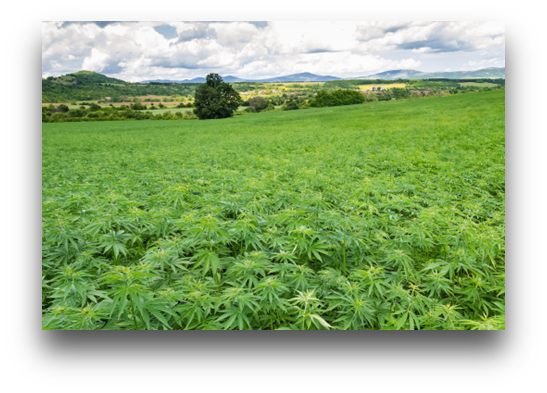
The future of CBD and hemp is bright, with continued growth and innovation expected in the coming years. As the regulatory landscape evolves, it’s essential for businesses in this industry to stay informed and adapt to changing requirements. By prioritizing compliance, quality, and consumer safety, companies like SunstoneCBD can help to shape the future of CBD and hemp products.
Beyond Compliance: The Importance of Transparency and Education
In addition to strict adherence to regulations, companies like SunstoneCBD are also committed to transparency and education. This involves providing consumers with clear and accurate information about CBD products, including their ingredients, potency, and potential benefits. By fostering trust and understanding, businesses can help to dispel misconceptions about CBD and promote its responsible use.

The Role of Research and Development
As the CBD industry continues to grow, there is a pressing need for more research to better understand the potential benefits and risks associated with CBD use. Companies like SunstoneCBD are investing in research and development to advance our knowledge of CBD and its applications. This includes supporting scientific studies and collaborating with researchers to explore new potential uses for CBD.
Navigating the Complexities of CBD and Hemp
The CBD and hemp industry is a dynamic and complex field, with regulations and consumer expectations constantly evolving. Companies like SunstoneCBD play a vital role in navigating this landscape by prioritizing compliance, quality,and transparency. By adhering to the highest standards of practice, these businesses can help to build a sustainable and trustworthy industry that benefits consumers and communities alike.
The Future of CBD and Hemp
As the regulatory environment for CBD and hemp continues to evolve, it’s essential for businesses to stay informed and adapt to changing requirements. By prioritizing compliance, quality, and consumer safety, companies like SunstoneCBD can help to shape the future of this rapidly growing industry. As consumers become more aware of the potential benefits of CBD, it is essential that businesses strive to meet their expectations and contribute to the development of safe and effective CBD products.
Additional Considerations

- Consumer Education: As CBD products become more widely available, it’s crucial to educate consumers about the potential benefits, risks, and proper usage of these products. This can be achieved through targeted marketing campaigns, partnerships with healthcare professionals, and educational resources.
- Product Innovation: The CBD industry is constantly evolving, with new products and formulations being introduced regularly. Companies like SunstoneCBD can stay ahead of the curve by investing in research and development to create innovative and effective CBD products.
- Sustainability: As the demand for CBD products grows, it’s important to consider the environmental impact of hemp cultivation and production. Sustainable practices can help to minimize the industry’s footprint and ensure a long-term supply of high-quality hemp.
- Collaboration with Regulatory Bodies: Companies in the CBD industry can play a proactive role in shaping the regulatory landscape by working closely with regulatory bodies to provide input and feedback. This can help to ensure that regulations are fair, reasonable, and effective.
- Ethical Sourcing: It’s essential for companies in the CBD industry to source their hemp from ethical and sustainable suppliers. This can help to support farmers and communities involved in hemp production while ensuring the quality and safety of the final product.
- Addressing Misconceptions: The CBD industry has faced challenges due to misconceptions and misinformation.Companies can help to address these issues by providing accurate and transparent information to consumers and working with industry associations to promote education and awareness.
- Supporting Research: Continued research is essential for understanding the full potential of CBD and addressing any concerns related to its safety and efficacy. Companies can contribute to this effort by supporting scientific studies and collaborating with researchers.
- Community Engagement: Many CBD businesses have the opportunity to engage with their local communities through partnerships, sponsorships, and charitable initiatives. This can help to build trust, foster goodwill, and contribute to the overall well-being of the community.
- Long-Term Sustainability: The CBD industry is still relatively new, and its long-term sustainability depends on a number of factors, including regulatory clarity, consumer acceptance, and the availability of high-quality hemp. By focusing on these areas, companies can help to ensure the continued growth and success of the industry.
By addressing these additional considerations, companies like SunstoneCBD can contribute to the growth and development of a sustainable, ethical, and consumer-focused CBD industry.
Resources:
- Food and Drug Administration (FDA): https://www.fda.gov/
- 2018 Farm Bill: https://www.usda.gov/farmbill
- SunstoneCBD: https://sunstonecbd.com/shop/
- National Industrial Hemp Council: https://nihcoa.com/
- Hemp Industries Association: https://thehia.org/